
Behind the lens: Capturing Emily & Bryan’s wedding day
Photographing Emily and Bryan’s whimsical rustic wedding at a botanical nursery was one of the most unique experiences of my career so far. The nursery has been in Emily’s family for years and is now run by Bryan, making it not just a stunning backdrop but a deeply personal choice for their big day. Their intimate, DIY micro-wedding, with only 30 guests, was a photographer’s dream in many ways — though it also presented challenges that required creativity and flexibility.
This post is for new or up-and-coming wedding photographers, offering an in-depth look at how I approached this wedding day, from preparation to execution. I’ll also share lessons learned and tips for navigating similar weddings.
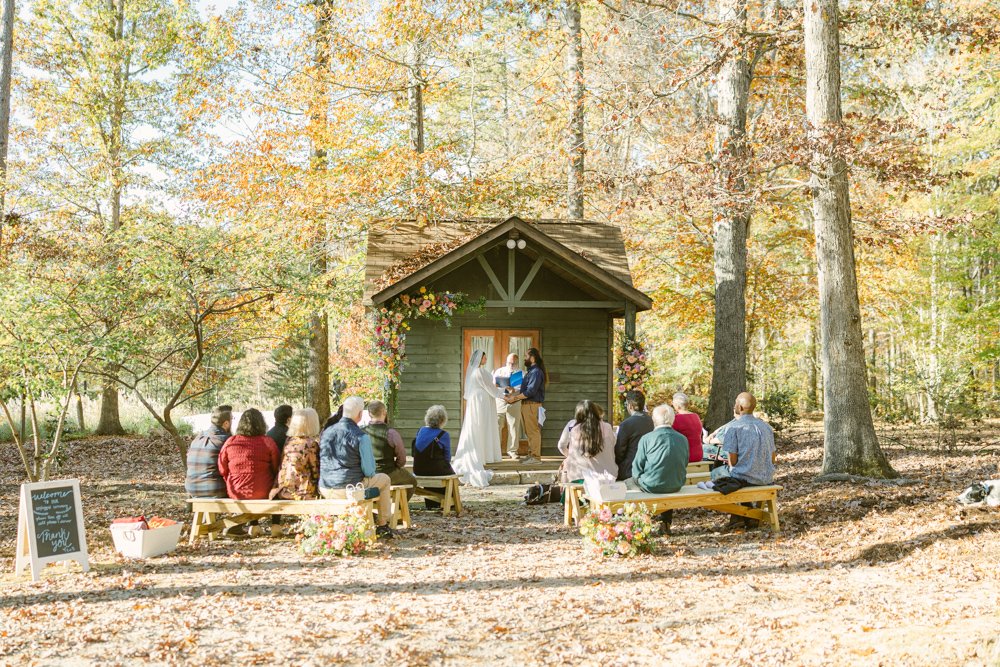
The venue: A unique and meaningful setting
The botanical nursery setting was truly breathtaking, but it also came with its own quirks. The ceremony took place outdoors, with a tiny house as the backdrop, decorated in pastel rainbow florals that extended down the aisle. The reception was held in a rustic barn, also adorned with florals, which perfectly complemented the whimsical vibe of the day.
Photographing a nursery was a first for me, and while I didn’t have the opportunity to scout the location beforehand, I arrived 45 minutes early to familiarize myself with the layout. Typically, this time helps me get my creative juices flowing, but in this case, Emily and Bryan were ready for me to start shooting immediately.
Lesson: When you can’t scout a location ahead of time, plan to arrive early, but also communicate with the couple about how you’ll use that time. Managing expectations can make a huge difference, especially for couples who don’t have a planner to coordinate the timeline.
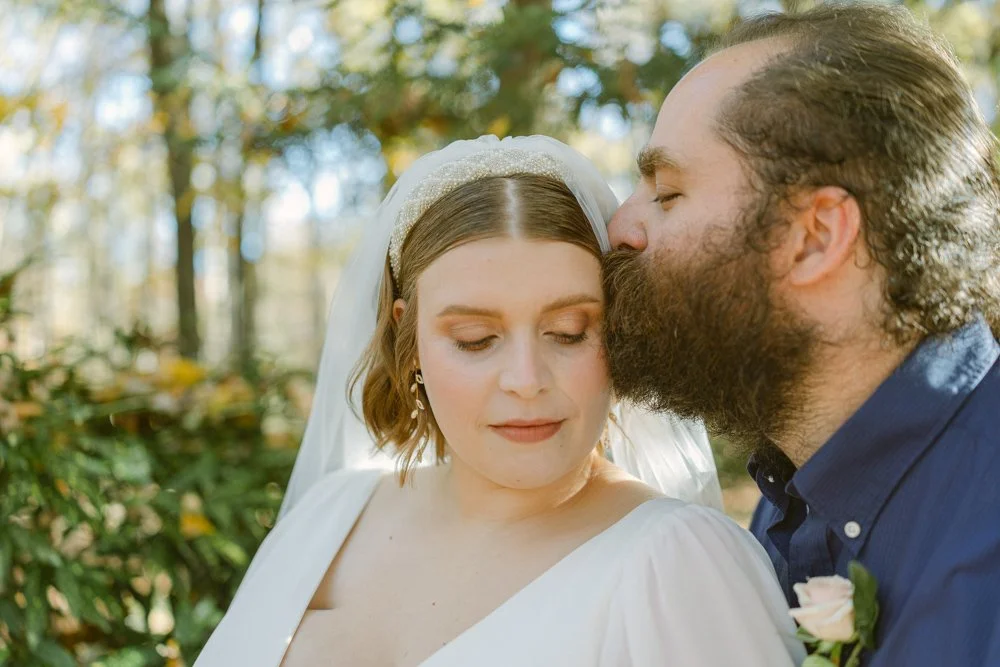
Challenges of a DIY micro-wedding
Small, DIY weddings are often a joy to shoot because they’re intimate and full of meaningful details. However, this wedding presented two challenges: time constraints and the lack of a wedding planner.
Emily and Bryan booked me for only three hours, which required me to be incredibly efficient. Usually, I take time to carefully scout locations and create a mental map of my plan for the day, but with the tight schedule, I had to jump straight into shooting.
Additionally, the absence of a planner meant that Emily and Bryan were handling everything themselves. While they did a fantastic job, it added an extra layer of stress for them, which sometimes required me to step in and help guide the flow of the day.
Lesson: If the couple provides a timeline, go over it in detail before the wedding day. If you notice potential time crunches, speak up early to suggest adjustments or explore the option of adding more photography coverage.

The gear I used
For this wedding, I relied on my Canon R6 cameras, with my Canon R8 as a backup. My lens lineup included:
Canon RF 100mm F2.8 L Macro IS USM: Perfect for capturing the intricate details of Emily and Bryan’s handmade decor.
Canon RF 35mm F1.4 L VCM: My go-to lens for wide-angle shots and capturing the venue’s lush surroundings.
Samyang RF 85mm F1.4 AF: This lens is a favorite of mine for portraits, offering stunning compression and creamy bokeh.


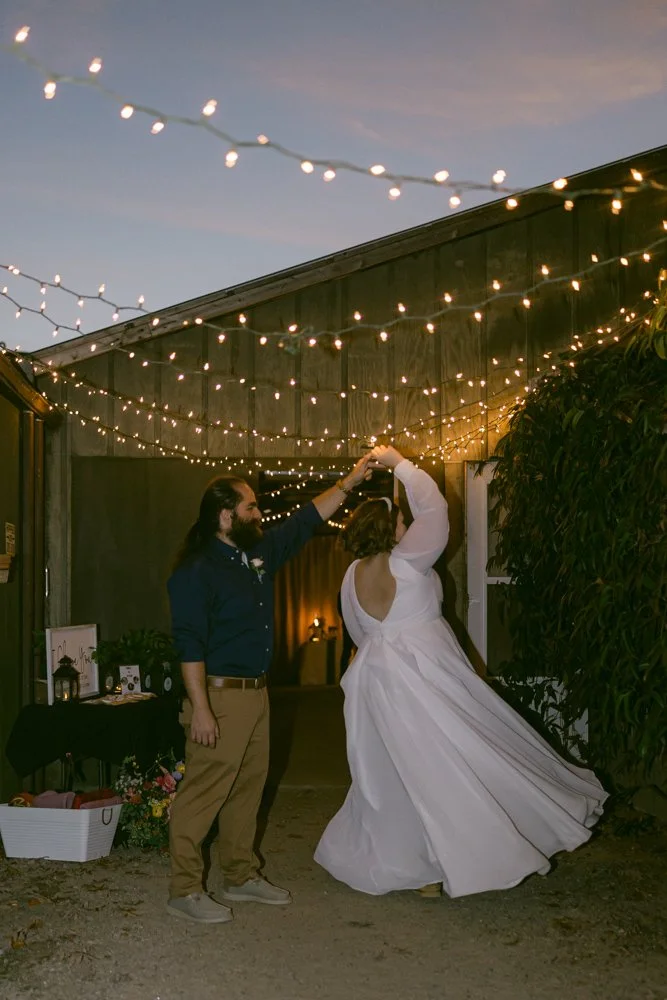
For lighting, I kept things simple, but the outdoor twinkle light portraits required direct flash to properly expose both the couple and the lights. Twinkle lights can be tricky to work with, so I positioned myself to avoid harsh shadows and relied on direct flash when no reflective surfaces were available.
Lesson: Know your gear inside and out. Choose lenses that suit the vibe of the wedding, and don’t shy away from using flash creatively when natural light isn’t enough.

Overcoming lighting challenges
The property’s abundance of trees created beautiful dappled light, but also resulted in harsh hot spots on faces during outdoor portraits. To mitigate this, I taught Bryan how to position himself to cast a full shadow on Emily’s face, which significantly reduced the editing work I’d need to do later.
Lesson: Educating your clients on simple techniques like finding consistent shade can make a big difference. It helps them feel involved and ensures you get the best possible photos with less post-production time.
Working without a second shooter
Emily and Bryan opted for a single-photographer package, so I managed the entire day on my own. While I enjoy working solo, having a second shooter or assistant would have been incredibly helpful for keeping track of Emily’s detailed shot list.
Speaking of shot lists, while Emily created a very detailed one, I always remind clients (and include it in my contract) that I can’t guarantee capturing every single shot. Instead, I focus on key moments and the emotions of the day. The one case where this doesn’t apply is family formals — I stick to that list like glue to be sure the couple gets a shot with everyone they want.
Lesson: When working solo, stay organized and realistic about what’s achievable. Communicate clearly with the couple about prioritizing certain shots, and consider how an assistant or second shooter could add value to your coverage.
Key takeaways for photographers
Photographing this micro-wedding taught me valuable lessons, many of which are helpful for new photographers:
Start with micro-weddings: Smaller weddings are a great entry point for new photographers. The couples often have lower expectations than an elaborate wedding with multiple events and dozens of vendors might have, allowing you to build your confidence and portfolio.
Document candid interactions: For couples who don’t enjoy being the center of attention, focus on capturing authentic moments of them interacting with their guests. These photos feel natural and meaningful.
Speak up early: Review the timeline closely, and don’t hesitate to flag issues early. It’s better to address potential time constraints before the wedding day to avoid stress.
Be flexible: Weddings rarely go exactly as planned. Embrace the unexpected and adapt as needed to deliver beautiful photos.
Final thoughts
Emily and Bryan’s wedding was a beautiful reminder of why I love photographing weddings: Each one is unique, and every couple has their own story to tell. While their DIY micro-wedding came with challenges, it also offered an intimate, personal experience that felt incredibly special to capture.
For new photographers, weddings like this are an excellent opportunity to learn how to manage time, navigate unexpected challenges, and create stunning images under less-than-ideal conditions. Remember, every wedding you photograph adds to your skill set and helps you grow as a professional.
If you’re just starting out, don’t be afraid to take on micro-weddings or DIY celebrations — they’ll teach you adaptability, creativity, and the importance of clear communication with clients.
Ready to capture your love story?
I’d love to learn more about your wedding plans and discuss how we can create timeless memories together. Let’s make your big day unforgettable.
Contact me