
Seven ways to make your wedding day timeline photography-friendly
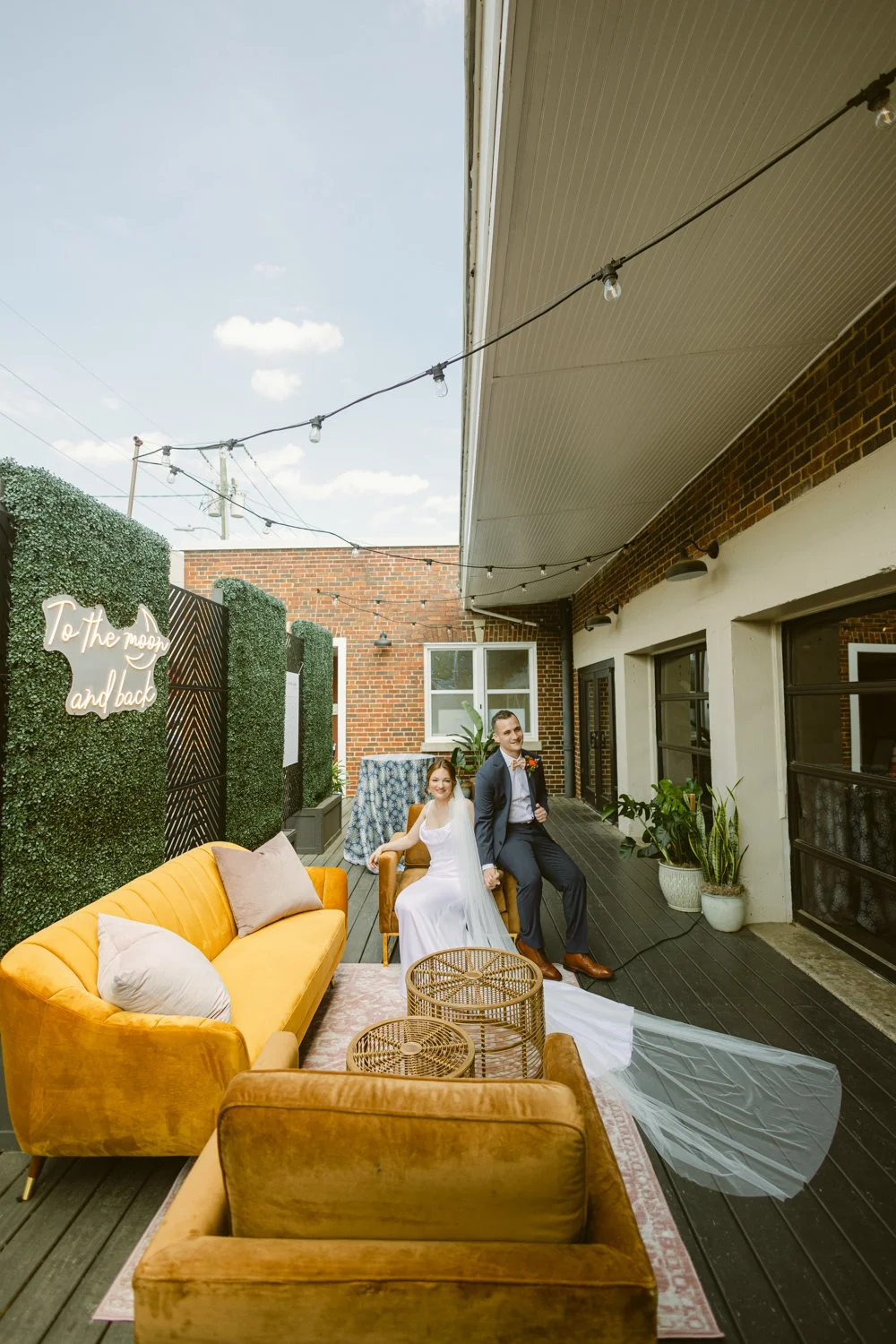
Planning your wedding day timeline is one of the most important steps in ensuring your big day runs smoothly — and it’s also key to getting the photos you’ve always dreamed of. As a photographer, I’ve seen timelines that worked like magic and others that didn’t quite go as planned, and one thing is certain: a photography-friendly timeline can make all the difference.
Here are seven practical ways to create a timeline that prioritizes stunning photos while keeping things stress-free and enjoyable.
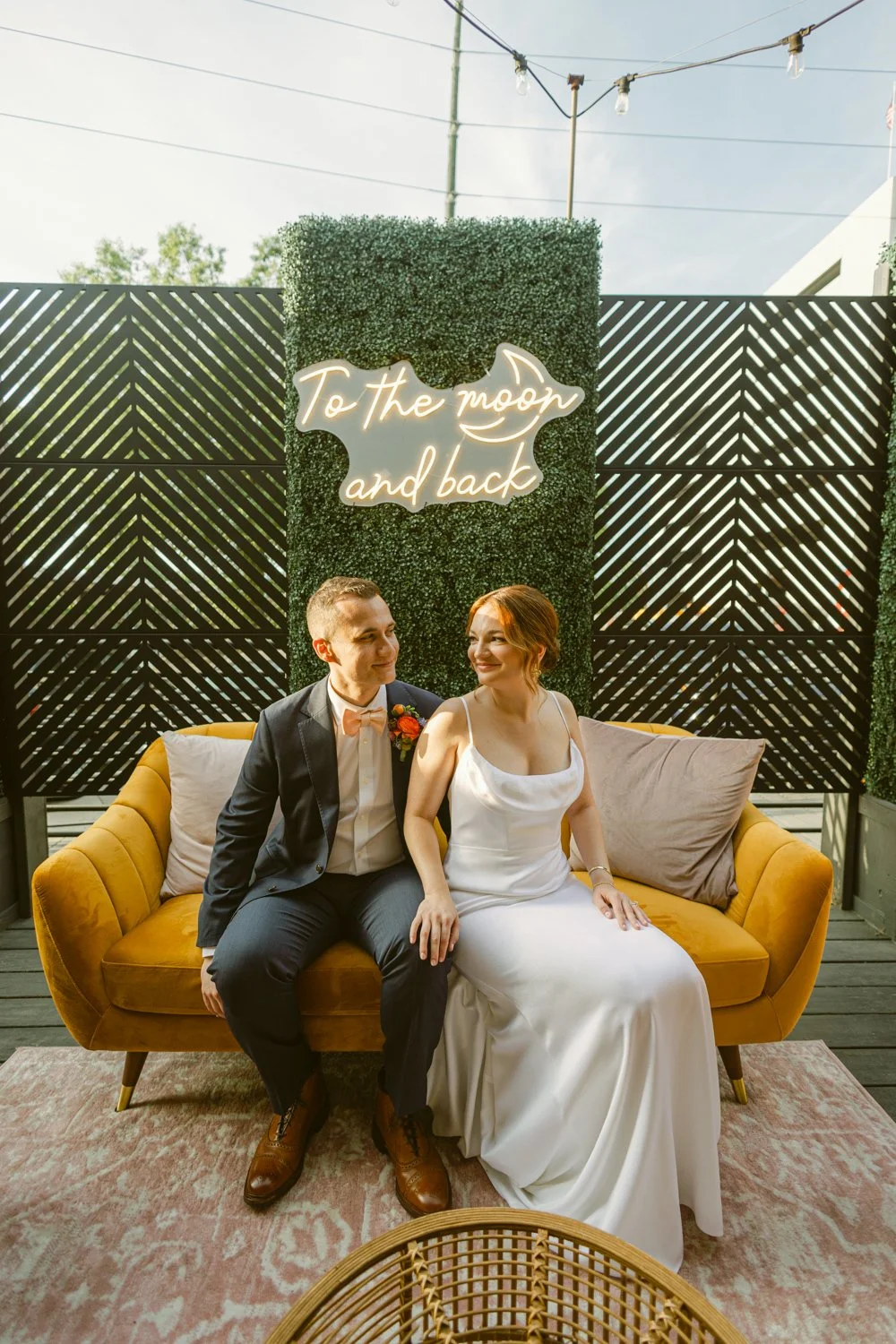
01. Allocate plenty of time for photos
One of the most common mistakes couples make when planning their timeline is underestimating how much time photography requires. Beautiful photos take time — not just for the photos themselves but for moving between locations, adjusting details, and managing group dynamics.
Here’s a rough breakdown of what to plan for:
Couple portraits: 45 minutes
Wedding party portraits: Depending on the size of your wedding party, I’d say around 20–30 minutes
Family formals: 20 minutes (but add more time if you have a large family!)
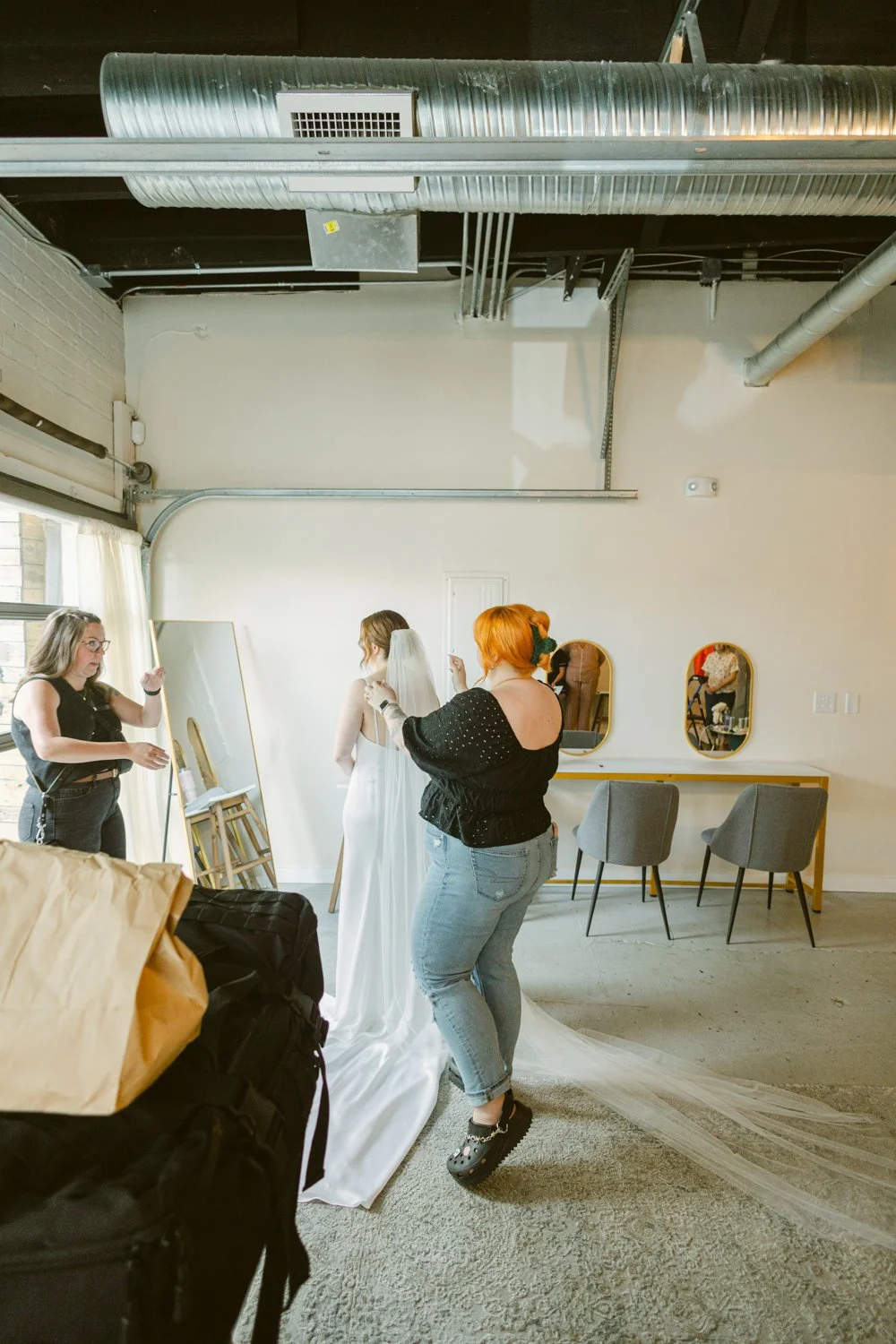
If you’re envisioning getting-ready photos or detail shots, budget extra time for those as well. And if your photographer is only booked for a few hours, keep your expectations realistic — you may need to prioritize which parts of the day matter most to you.

02. Include buffer time between activities
Weddings almost always run late — it’s just the nature of the day. From traffic delays to last-minute wardrobe fixes, things take longer than you’d expect. Including buffer time in your timeline ensures you’re not scrambling to catch up if something goes off-schedule.
For example, if you plan 20 minutes for family portraits, add an extra 10 minutes just in case. This buffer not only gives you breathing room but also helps your photographer capture more candid moments throughout the day.
03. Work closely with a planner or coordinator
A good wedding planner or day-of coordinator can make your timeline dreams a reality. Planners have the experience to anticipate potential snags and ensure everyone is where they need to be when they need to be there.
If you don’t have a full planner, a day-of coordinator is a great alternative. Just remember that a venue coordinator’s primary role is managing the venue, not your timeline. Having someone who’s focused on your interests will make a world of difference.
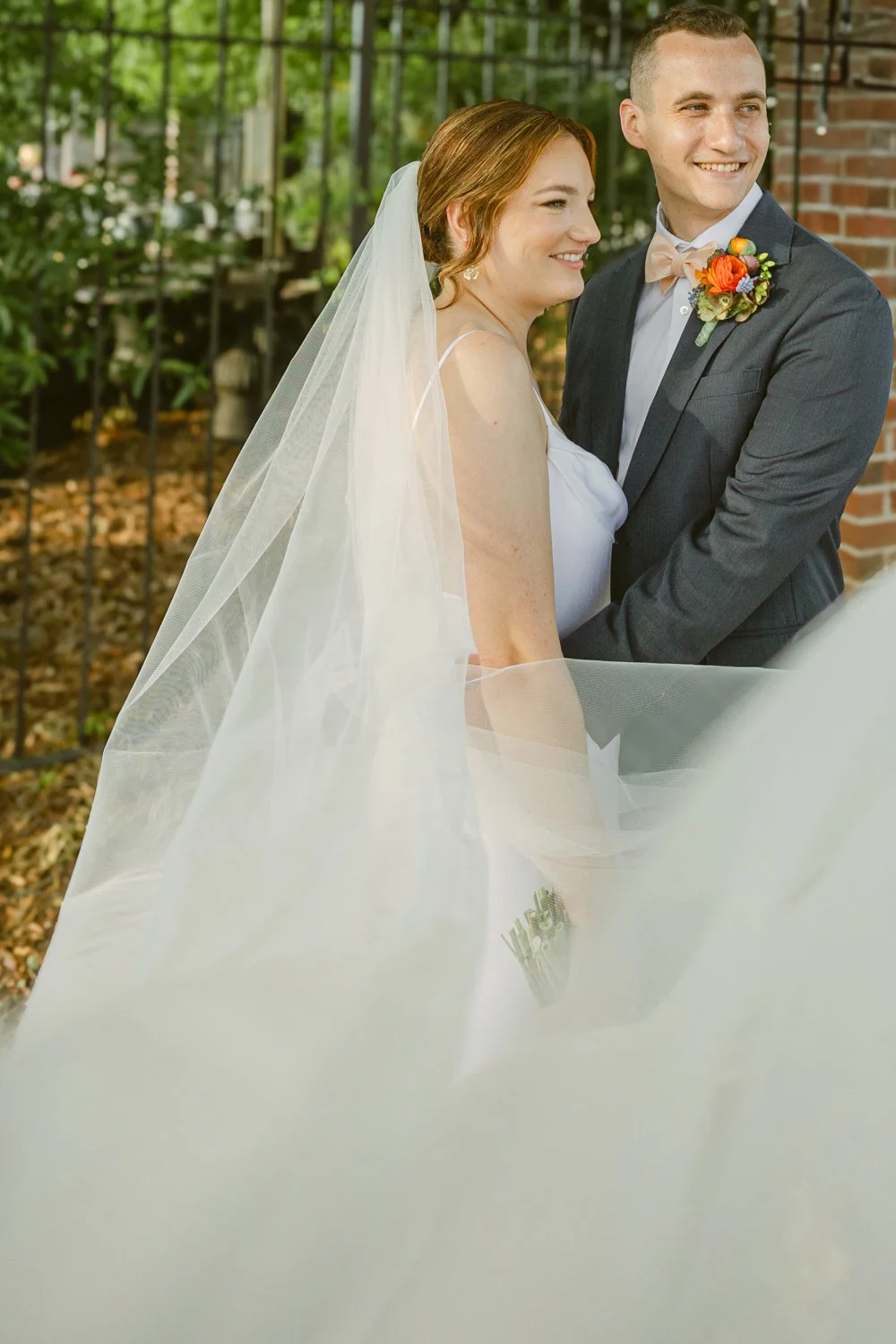
04. Time your ceremony and portraits for optimal lighting
Lighting plays a huge role in photography, and timing your events correctly can make all the difference. For outdoor ceremonies, try to avoid scheduling during the brightest part of the day when the sun is directly overhead. The best light is often a couple of hours after sunrise or a couple of hours before sunset.
For portraits, golden hour (the hour before sunset) is ideal. If your schedule allows, plan for a short session during this magical time to get those glowing, dreamy photos.
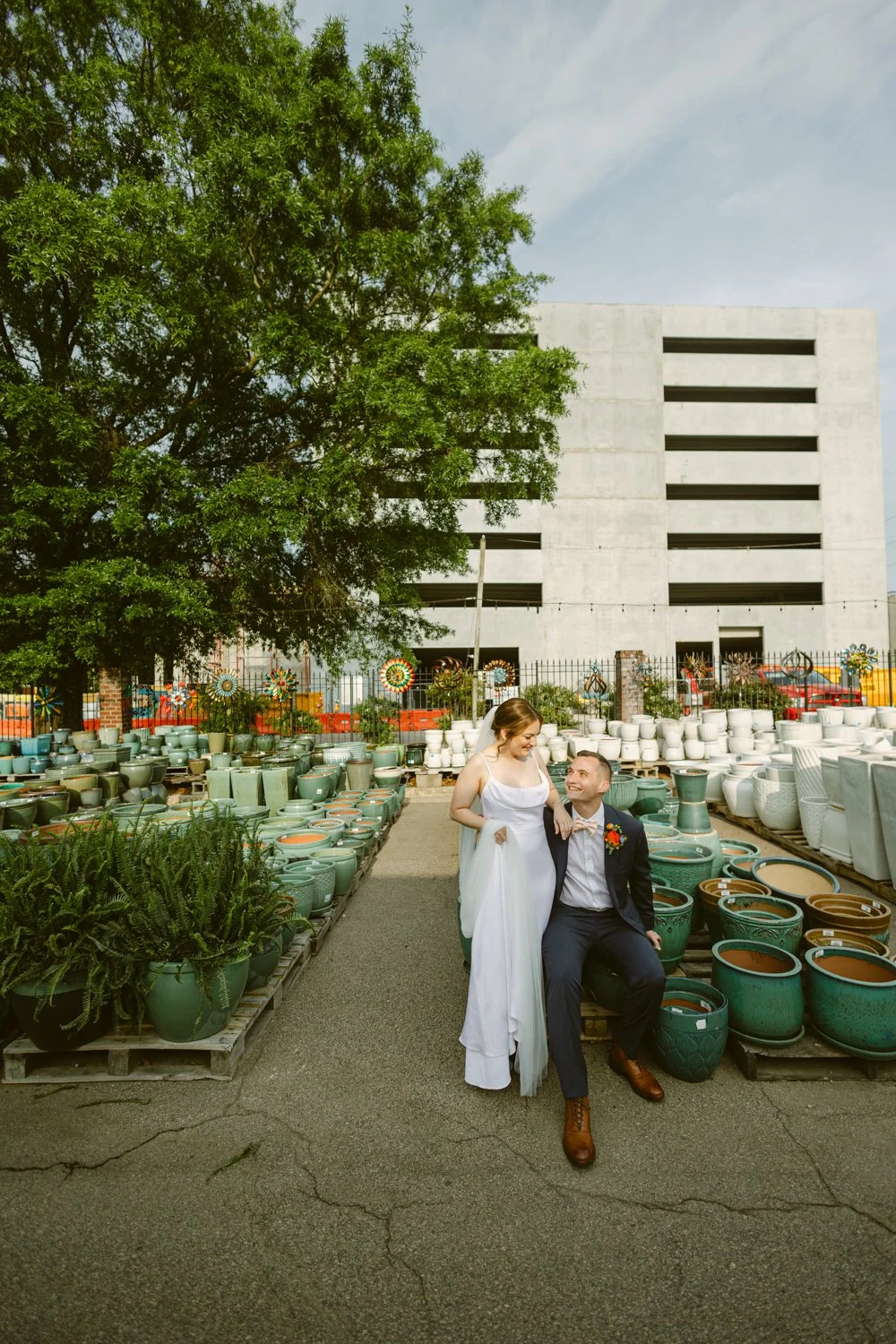
05. Plan for photography-friendly activities
Incorporating thoughtful details and unique activities into your timeline can create opportunities for one-of-a-kind photos.
Here are some ideas:
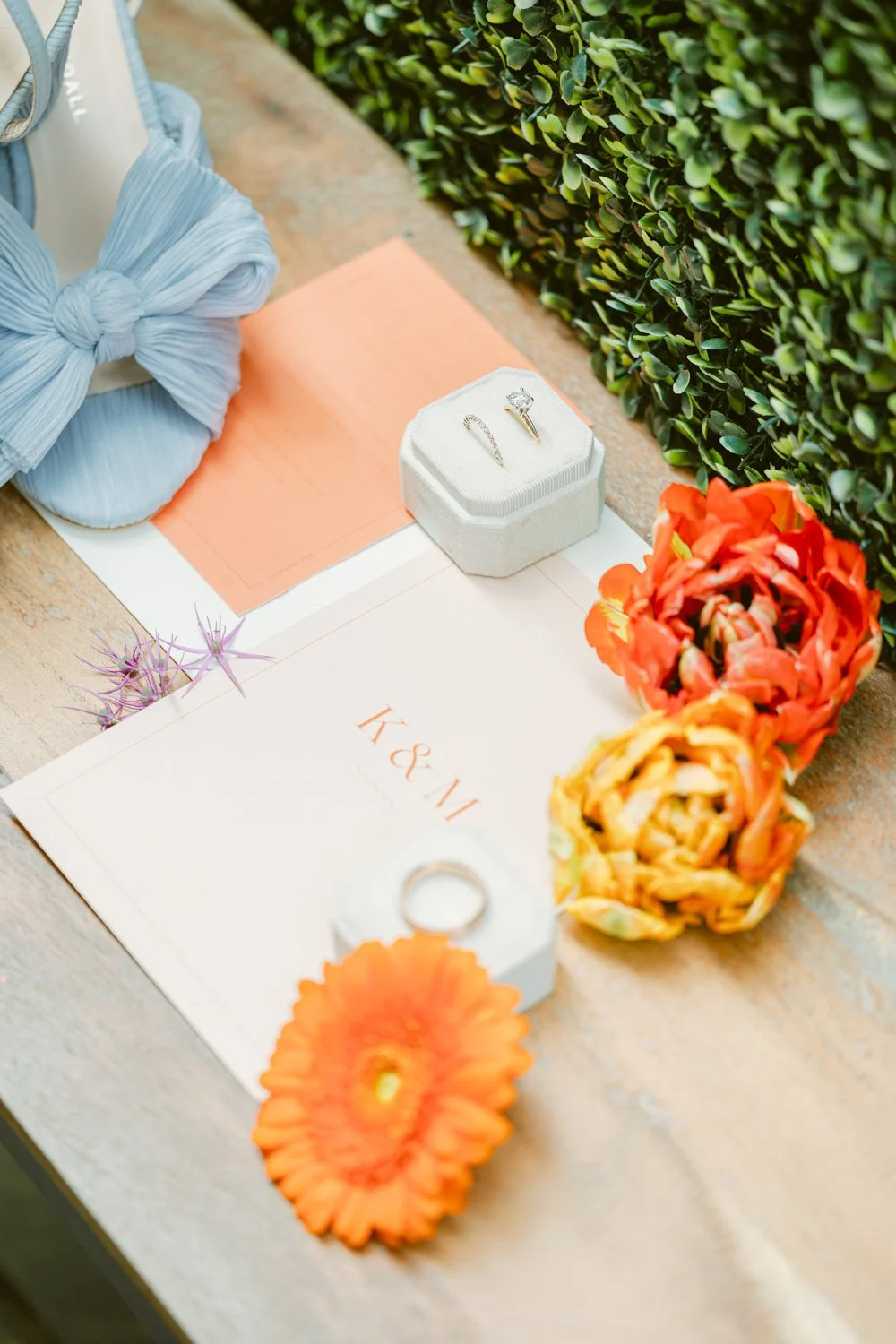
Details: Have your wedding details (like rings, shoes, invitations, and jewelry) ready to go in a box when your photographer arrives. If possible, consider delivering them to your photographer ahead of time for pre-wedding detail shots.
Interactive guestbook: One couple I worked with had an audio guestbook where guests left messages via an old-fashioned phone. It made for adorable photos and a meaningful keepsake!
Unique send-offs: Whether it’s bubbles or a simple hype line of cheering guests, send-offs can create joyful, dynamic shots.
06. Be realistic about your priorities
Not every couple wants or needs a photo of every moment of the day, and that’s okay! If getting-ready photos or elaborate detail shots aren’t a priority for you, communicate that to your photographer so they can focus on the parts of the day that matter most.
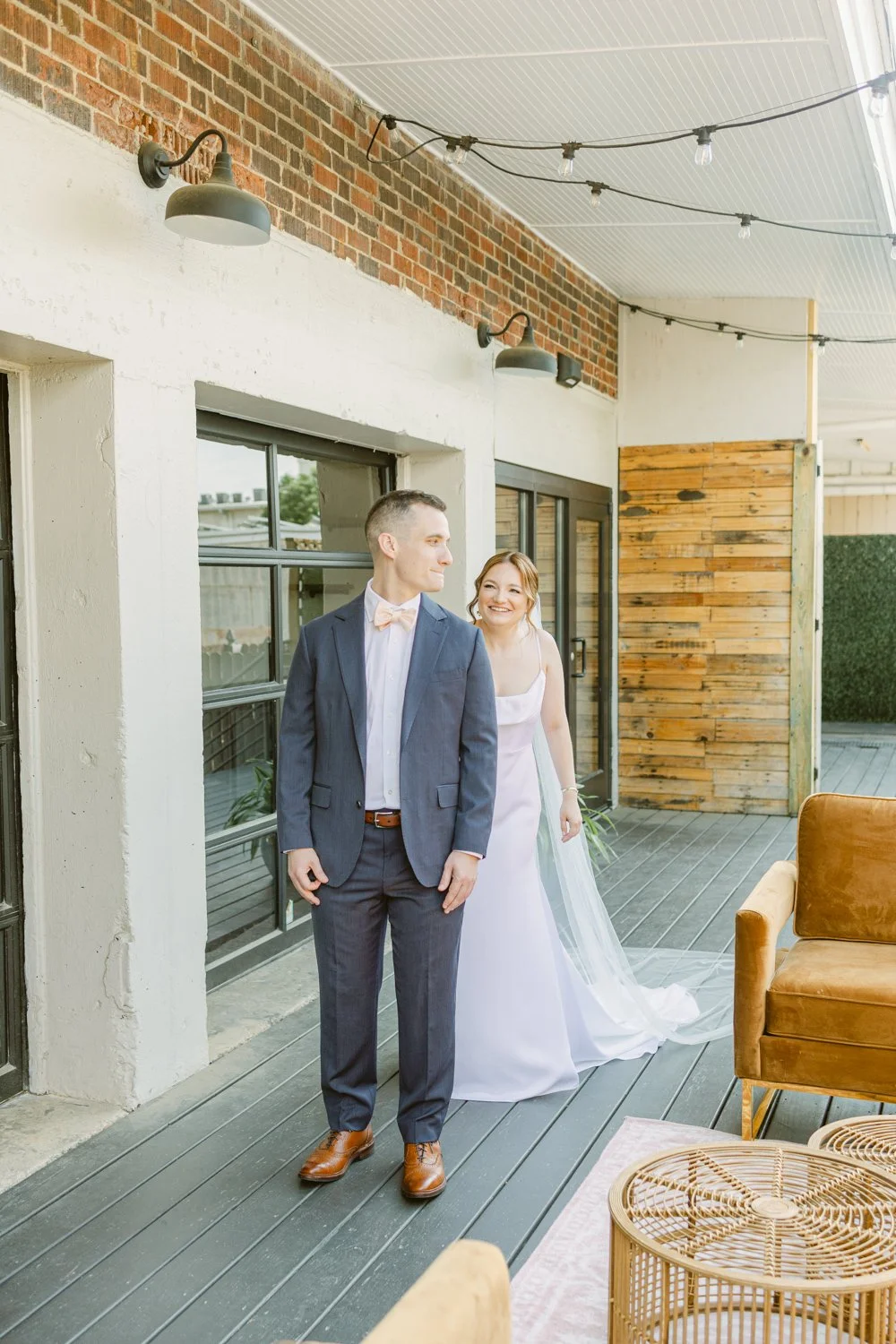
Similarly, think about your own personalities when planning moments like the first look. Some couples want 15 quiet minutes together before the ceremony, while others are happy with a quick hug and a smile. Tailor the timeline to reflect what feels right for you.
07. Expect the unexpected
No matter how carefully you plan, weddings rarely go exactly according to schedule — and that’s okay.
The best way to handle unexpected delays is to plan for them in advance. Add buffer time, keep your expectations flexible, and trust that your photographer has seen it all before. Even if things get a little behind, we’ll work together to capture beautiful, timeless photos that tell the story of your day.
Final thoughts
Your wedding day timeline is more than just a schedule — it’s the foundation for creating a day that feels joyful, organized, and stress-free. By prioritizing photography in your timeline, you’ll not only make the day smoother for everyone involved but also ensure that your memories are beautifully preserved.
If you’re ready to start planning your wedding day timeline, let’s chat! I’d love to help you create a schedule that reflects your unique vision while giving us plenty of time to capture the magic.
Ready to capture your love story?
I’d love to learn more about your wedding plans and discuss how we can create timeless memories together. Let’s make your big day unforgettable.
Contact me